Arabica vs Robusta Coffee in Tanzania
Arabica vs Robusta Coffee in Tanzania: Origins, Quality and Export Markets
Understanding Tanzania Arabica and Robusta Coffee
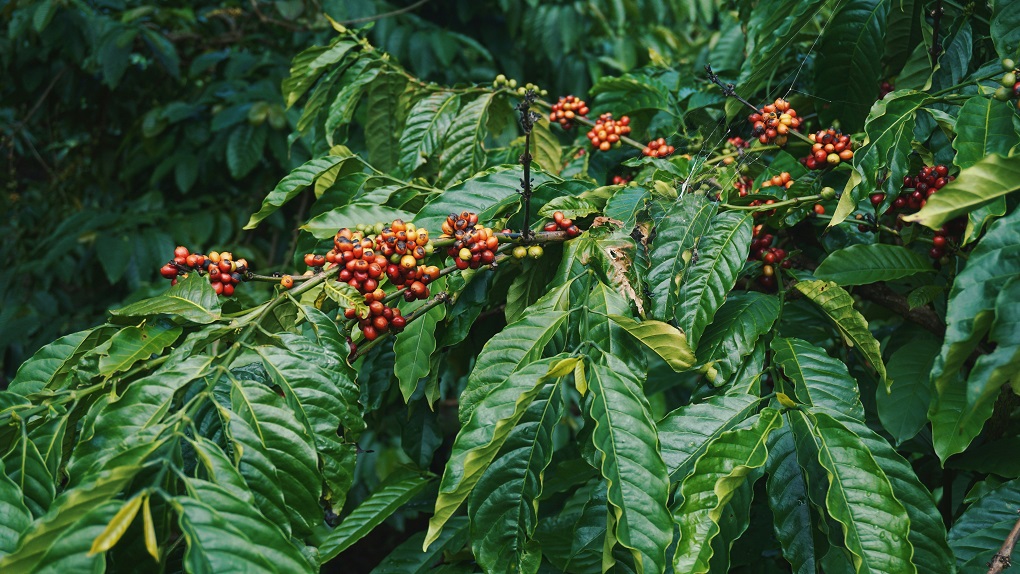
Tanzania’s coffee industry includes two major coffee types: Arabica and Robusta.
For international buyers, understanding the differences between these coffees is an important first step when considering buying coffee from Tanzania.
The two coffee types are produced in different Tanzanian growing environments and serve different commercial and market applications.
Tanzanian Arabica Coffee
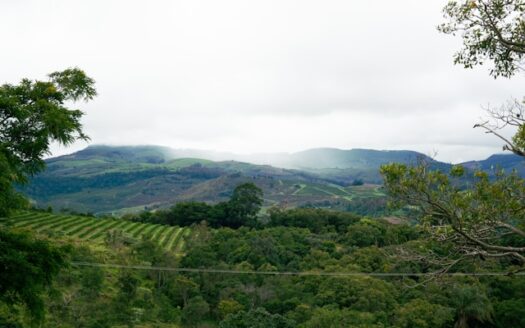
Arabica coffee is grown in several Tanzanian regions, including Kilimanjaro, Mbeya, Arusha, Tanga, Iringa, Songwe, Ruvuma and other areas.
Kilimanjaro is particularly recognized for Arabica production, while the Southern Highlands provide additional Arabica-producing areas.
Arabica is commonly associated with specialty and quality-focused coffee markets, although the actual characteristics of individual lots depend on origin, variety, cultivation, processing, grading and preparation.
Tanzanian Robusta Coffee
Robusta is particularly associated with Kagera Region in north-western Tanzania.
Kagera’s coffee-growing communities have an important role in Tanzania’s Robusta supply chain.
For international buyers seeking Robusta coffee from East Africa, Tanzanian Robusta can therefore be an important sourcing opportunity.
What Is the Difference?
The commercial differences between Arabica and Robusta include factors such as:
-
Botanical characteristics
-
Growing environment
-
Bean characteristics
-
Cup profile
-
Processing
-
Grading
-
Intended market
-
Buyer specifications
However, coffee quality should not be judged solely by whether it is Arabica or Robusta.
Origin, farming practices, harvesting, processing, storage, grading and preparation all influence the final product.
Choosing Tanzanian Coffee for Your Business
International buyers should identify their intended application before selecting a coffee.
For example:
Specialty roaster: May prioritize origin, cup quality, traceability and specific lots.
Commercial roaster: May prioritize consistency, volume, price and blending characteristics.
Wholesale buyer: May require defined specifications, packaging and reliable supply.
Princess Michelle Company Limited can discuss sourcing opportunities according to buyer requirements and available Tanzanian supply.
Tanzania Coffee Regions
Tanzania Coffee Board information identifies numerous Arabica-producing regions and highlights Kagera and Morogoro for Robusta.
Princess Michelle’s sourcing focus includes Kagera, Kilimanjaro, Mbeya and other suitable coffee-producing areas.
Why Origin Matters
Coffee origin can influence growing conditions and production characteristics.
For buyers, origin information can help with:
-
Product positioning
-
Marketing
-
Traceability
-
Quality assessment
-
Buyer specifications
-
Consumer storytelling
Tanzania’s coffee sector is also developing stronger traceability systems. In 2026, the Tanzania Coffee Board reported that its Central Coffee Registry contained geolocation data for more than 200,000 coffee farm plots in Kagera and Songwe.
Request Tanzanian Coffee Supply
If you are looking for Tanzania Arabica coffee or Tanzanian Robusta coffee, contact Princess Michelle Company Limited with your preferred origin, quantity and specifications.
Tanzanian Coffee. African Origin. International Opportunity.
Contact Princess Michelle Company Limited today.